
Professional Beetles Control Services
Professional Solutions for Beetle Infestations
With over 350,000 different species worldwide, beetles are the most common type of insects on the planet. While most beetles live outdoors, several species can invade homes and cause significant damage to fabrics, stored foods, and wooden structures. Our professional beetle control services provide targeted solutions to eliminate these pests from your home and prevent future infestations.


Understanding Beetles
What Are Beetles?
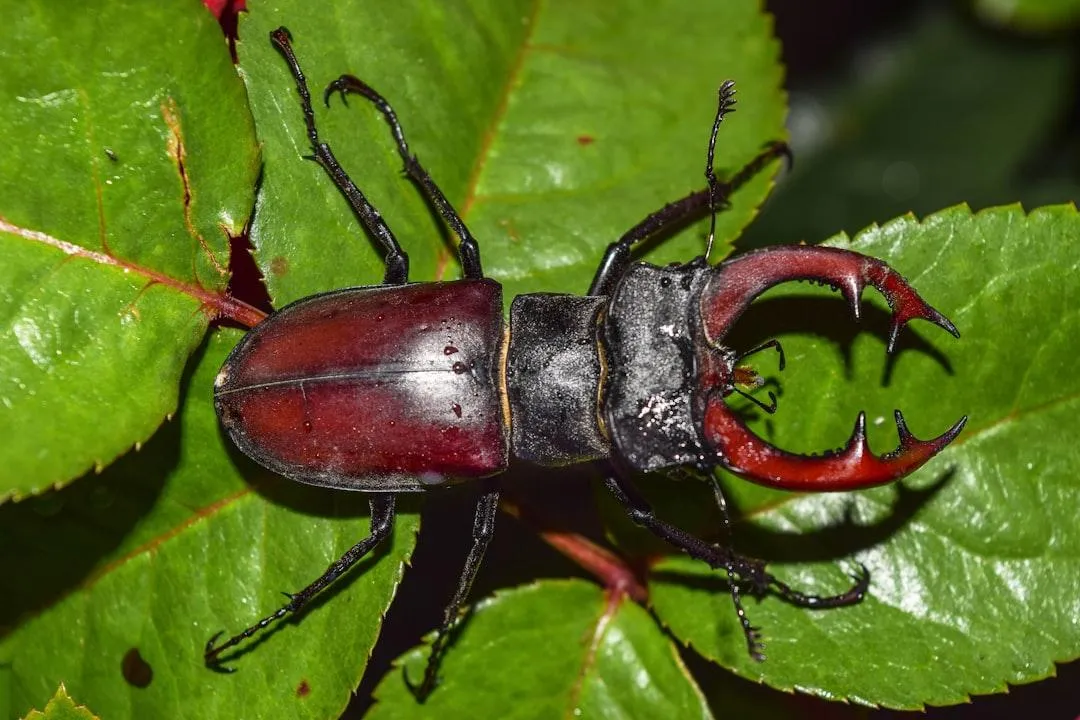
Beetles belong to the order Coleoptera, meaning "sheath wings," referring to their hardened front wings that protect their membranous flying wings underneath. These diverse insects have adapted to nearly every environment on Earth, and certain species have developed preferences for human habitations.
Beetles Characteristics
Appearance: Two sets of wings with the front pair hardened into wing covers (elytra)
Size: Range from tiny (1mm) to several inches in length depending on species
Colony Structure: Three main body parts (head, thorax, abdomen) and six legs
Lifespan: Complete metamorphosis with four stages: egg, larva, pupa, and adult
Diet: Varies widely by species—can include fabrics, stored foods, wood, plants, and fungi

Common Household Beetle Species
Several factors can make your home attractive to beetles:


Carpet Beetles
Size: 1/8 to 1/4 inch long
Color: Black with various patterns of white, brown, or orange scales
Damage: Larvae feed on natural fibers in carpets, clothing, and upholstery
Concern: Can cause significant damage to valuable textiles and trigger allergic reactions


Powder Post Beetles
Size: 1/8 to 3/4 inch long
Color: Reddish-brown to black
Damage: Bore into and feed on wood, reducing it to powder
Concern: Can cause substantial structural damage similar to termites


Pantry Beetles
Types: Includes flour beetles, grain beetles, cigarette beetles, and drugstore beetles
Size: Typically 1/8 to 1/4 inch long
Color: Usually reddish-brown to black
Damage: Infest and contaminate stored foods
Concern: Can spoil large quantities of food and spread rapidly

Signs of a Beetle Infestation
You may have a beetle problem if you notice:

Live Beetles:
Adult beetles visible in the home
Larvae:
Small grub-like creatures in or near food products or fabrics
Exit Holes:
Small round holes in wooden items (from powder post beetles)
Frass:
Sawdust-like material beneath or on wooden surfaces
Shed Skins:
Molted skins from larvae, especially near fabrics
Hidden Indications
Damaged Fabrics
Irregular holes or bare spots in woolens or other natural fibers
Contaminated Food:
Webbing, beetle parts, or live insects in stored products
Wood Damage:
Weakened structural integrity in wooden items
Allergic Reactions:
Unexplained skin rashes or respiratory irritation (from carpet beetles)
The Risks of Beetle Infestations
Beetles can cause several problems in your home:

Fabric Destruction:
Carpet beetle larvae can severely damage clothing, carpets, and upholstery
Structural Weakness:
Powder post beetles can compromise wooden structures
Food Loss:
Pantry beetles contaminate and spoil stored foods
Costly Repairs:
Replacing damaged items and structures can be expensive
Food Contamination:
Pantry beetles make food unsafe for consumption

Our Comprehensive Beetle Control Approach
We take a multi-faceted approach to beetle control:

Thorough Inspection
Our technicians will conduct a detailed inspection to:
Identify the specific beetle species present
Locate hiding spots, breeding areas, and entry points
Determine the extent of the infestation
Identify contributing factors that may be enabling the infestation


Customized Treatment Plan
Based on our findings, we'll develop a tailored beetle control strategy that may include:
For Fabric Pests (Carpet Beetles)
Specialized treatments for affected carpets and upholstery
Targeted applications to baseboards, closets, and other hiding spots
Recommendations for cleaning and protecting valuable textiles
For Wood Pests (Powder Post Beetles)
Structural recommendations to address moisture issues
Structural recommendations to address moisture issues
Structural recommendations to address moisture issues
For Pantry Pests (Flour, Grain, Drugstore Beetles)
Treatment of cabinets and pantry areas
Guidance on proper food storage and pantry cleaning
Preventative applications to discourage reinfestation

Prevention Strategies
We'll help prevent future beetle problems by:
Identifying and sealing entry points
Recommending humidity control solutions
Suggesting proper storage practices for susceptible items
Advising on regular inspection and maintenance routines
Follow-Up Protection
Our commitment to beetle control includes:
Scheduled follow-up visits to ensure complete elimination
Monitoring for new activity
Additional treatments as needed
Continuous protection against future infestations

Beetle Prevention Tips
To help keep beetles away from your home:
For Fabric Pests
Regularly clean and vacuum carpets, rugs, and upholstery
Store seasonal clothing in sealed containers with cedar blocks
Have wool items professionally cleaned before storage
Inspect second-hand furniture and textiles before bringing them home
For Wood Pests
Maintain proper humidity levels (below 50%)
Inspect wooden furniture before purchase
Apply wood treatments to susceptible items
Address moisture issues promptly
For Pantry Pests
Store food in airtight glass or hard plastic containers
Regularly clean pantry shelves and cabinets
Inspect groceries before storing them
Use and rotate food products regularly

The Risks of Beetle Infestations
Beetles can cause several problems in your home:

Property Damage
Fabric Destruction: Carpet beetle larvae can severely damage clothing, carpets, and upholstery
Structural Weakness: Powder post beetles can compromise wooden structures
Food Loss: Pantry beetles contaminate and spoil stored foods
Health Concerns
Allergic Reactions: Carpet beetle fragments can trigger skin rashes and respiratory irritation
Food Contamination: Pantry beetles make food unsafe for consumption
Psychological Distress: The presence of beetles can cause anxiety and discomfort
Our Beetle Control Guarantee
We stand behind our services with our satisfaction guarantee. If beetles return between scheduled treatments, so will we—at no additional cost to you.
Frequently Asked Questions
Get answers to common questions about beetles
Do beetles bite?
Most household beetles do not bite humans. Carpet beetles may cause skin irritation resembling bites, but this is actually an allergic reaction to their shed hairs and fragments, not actual bites. Common household beetle species like carpet beetles, powder post beetles, and pantry beetles lack the mandible strength or inclination to bite people.
Do beetles fly?
Yes, most adult beetles can fly, though many species rarely do so. Beetles have hardened front wings (elytra) that protect membranous flying wings underneath. Different species have varying flight capabilities, with carpet beetles being good fliers while pantry beetles typically only fly short distances within homes. Their flight ability contributes to their spread, making proper exclusion methods important for control.
How many beetle species are there?
Beetles are the most diverse group of organisms on Earth, with over 350,000 identified species—about 40% of all known insect species. North America alone has more than 25,000 different beetle species. Of this vast diversity, only about 100 species regularly infest human homes and structures. This diversity requires professional identification for effective control, as different species need different treatment approaches.
What do beetles eat?
Beetles have diverse diets depending on the species. Household pest beetles consume various materials: carpet beetles feed on natural fibers (wool, silk, leather); powder post beetles eat wood cellulose; pantry beetles (flour, grain, drugstore beetles) infest stored foods, grains, and dried goods. Other beetles may eat insects, plant matter, dung, or carrion. This dietary diversity explains why different control approaches are needed for different species.
Where do beetles live?
Beetles inhabit diverse environments both outdoors (gardens, forests, fields) and inside homes. Indoor-infesting species have specific preferences: carpet beetles infest fabrics and furnishings; powder post beetles inhabit wooden structures; pantry beetles live in food storage areas. Beetles typically enter homes through open doors/windows, foundation cracks, utility line gaps, or in infested items. Understanding these habitats helps target treatments effectively.
Ready for Beetle-Free Living?
Don't let beetles damage your property or contaminate your food. Our professional beetle control services provide effective, lasting solutions to eliminate these persistent pests.
Or call us directly
(866) 555-7890
We guarantee your satisfaction—if beetles return between scheduled treatments, so will we at no additional cost.



© Copyright 2026. [Lead Machine: Pest Control Snapshot]. All Rights Reserved.