
Professional Centipede and Millipede Control Services
Professional Centipede & Millipede Control Services
With thousands of species across the world, centipedes and millipedes are common arthropods that can invade homes seeking moisture and shelter. While most prefer outdoor environments, several species can enter houses and cause distress with their alarming appearance. Our professional centipede and millipede control services provide targeted solutions to eliminate these many-legged pests from your home and prevent future infestations.
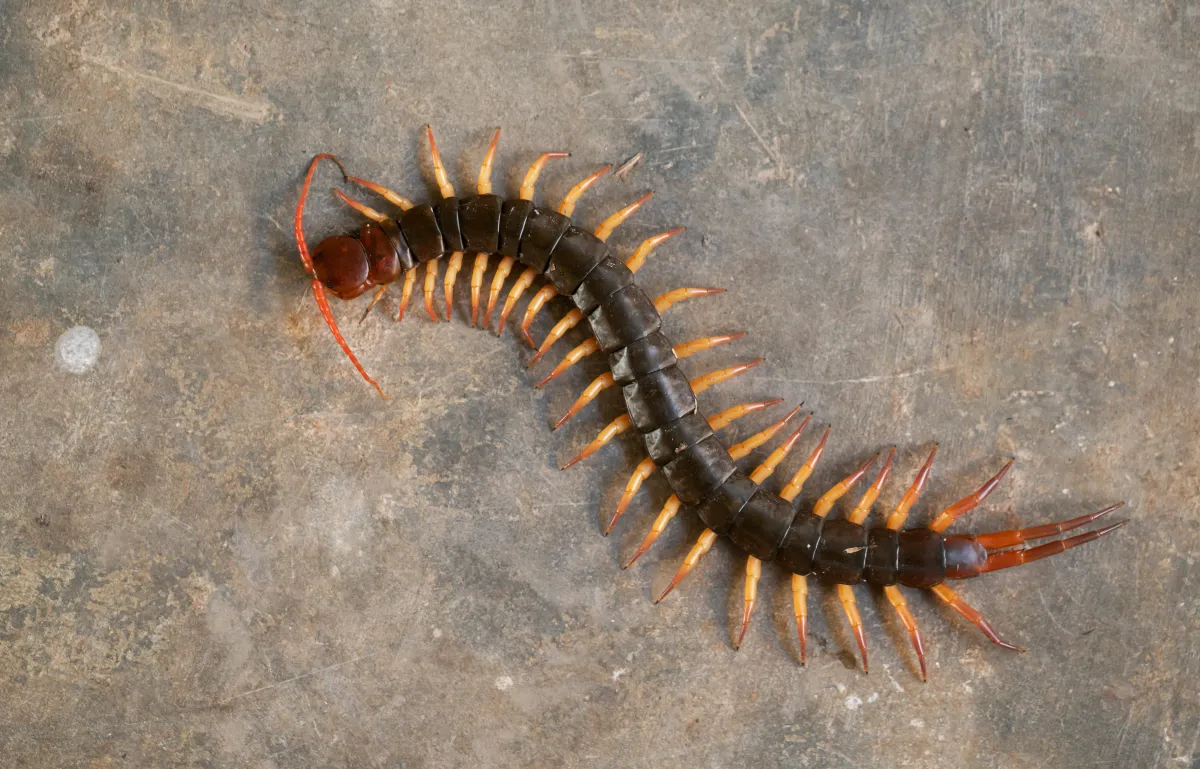

Understanding Centipedes & Millipedes
What Are Centipedes & Millipedes?
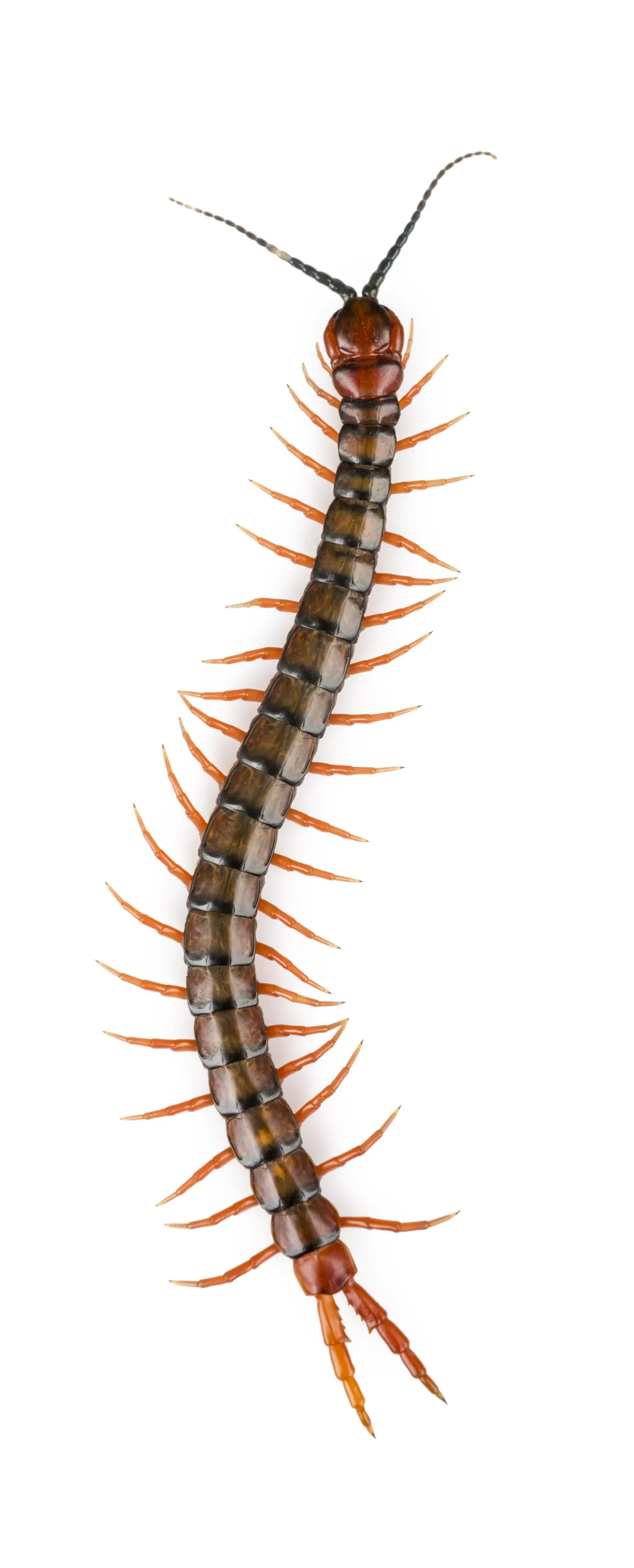
Centipedes and millipedes are arthropods that belong to the group Myriapoda, characterized by their segmented bodies and multiple pairs of legs. While often confused with insects, these many-legged creatures form their own distinct group. They primarily live outdoors but can enter homes when seeking moisture, shelter, or when escaping temperature extremes.
Centipede & Millipede Characteristics
Appearance: Segmented bodies with numerous legs; centipedes have one pair of legs per segment, millipedes have two
Size: Range from 1/4 inch to several inches in length depending on species
Body Structure: Both have segmented bodies with numerous legs and two antennae
Lifespan: Can live from 1-7 years depending on species
Diet: Centipedes are predatory, feeding on insects; millipedes eat decaying plant matter
Common Household Centipede & Millipede Species
Several species can make their way into your home:


House Centipede
Size: 1 to 1.5 inches long
Color: Yellowish-gray with dark stripes and 15 pairs of long legs
Damage: Fast-moving, predatory, feeds on other household pests
Concern: Can startle homeowners with their speed, may pinch if handled
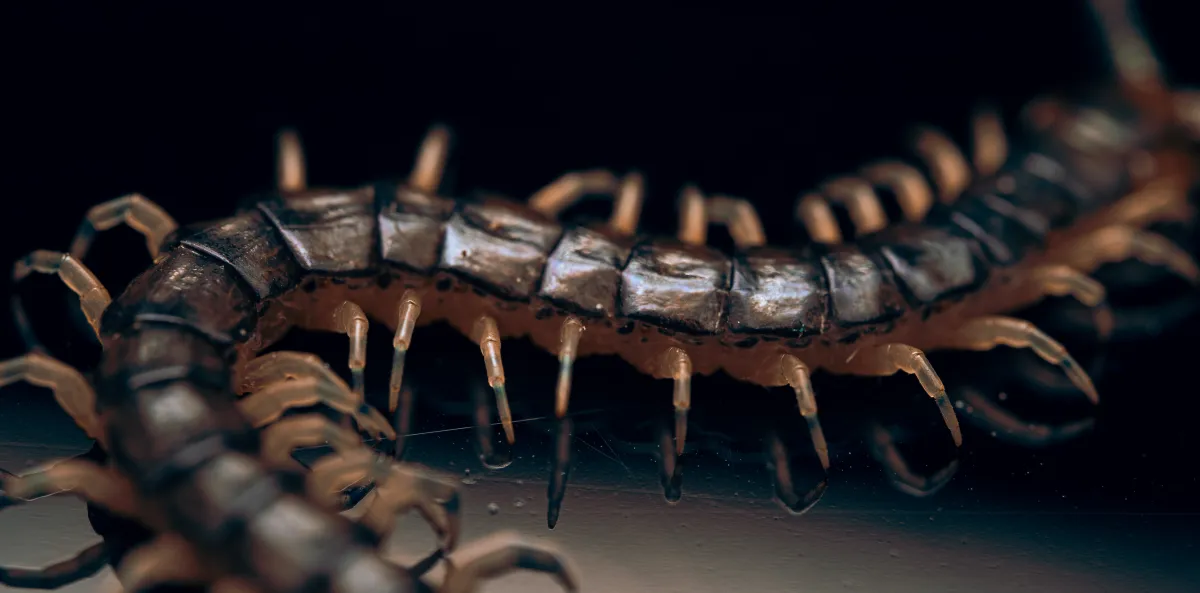

Stone Centipede
Size: 1 to 2 inches long
Color: Orange to reddish-brown
Damage: Found in damp areas under stones, logs, and in basements
Concern: Can pinch if handled, though rarely aggressive toward humans
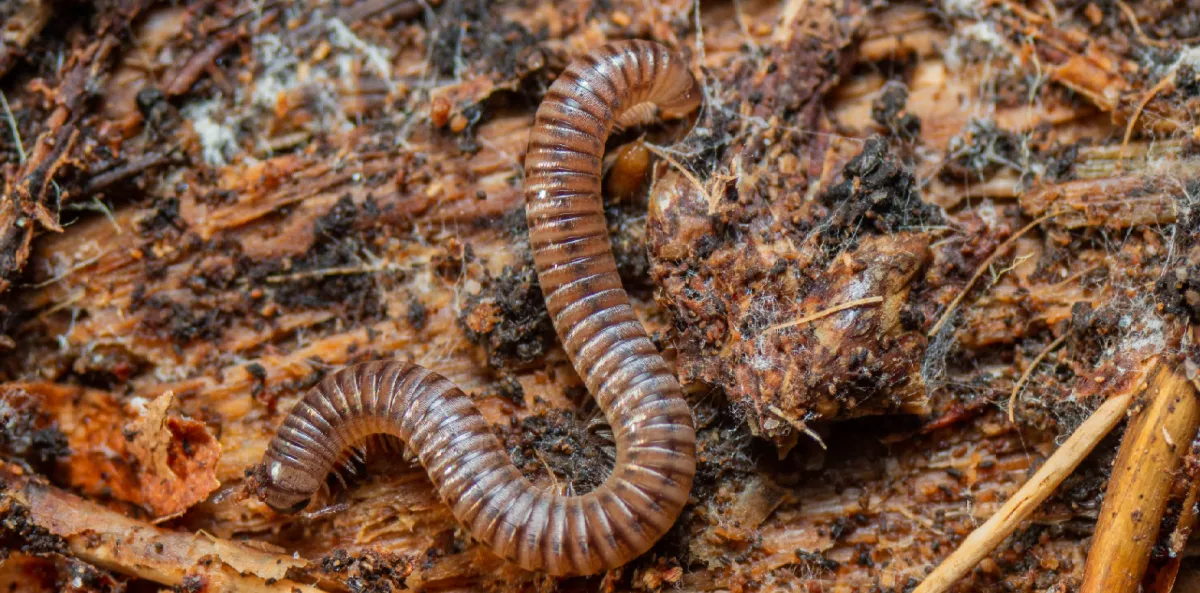

Garden Millipede
Size: Typically 1/8 to 1/4 inch long
Color: Usually reddish-brown to black
Damage: Infest and contaminate stored foods
Concern: Can spoil large quantities of food and spread rapidly

Signs of a Centipede & Millipede Species Infestation
You may have a centipede & millipede species problem if you notice:

Adults:
Long, many-segmented bodies; centipedes are flat with one pair of legs per segment, while millipedes are cylindrical with two pairs of legs per segment
Movement:
Centipedes move quickly; millipedes are slow and curl up when disturbed
Hiding Spots:
Both prefer damp, dark areas such as basements, bathrooms, soil, mulch, or under logs and stones
Signs of Presence:
Sightings indoors, especially in humid or rainy conditions; centipedes usually appear singly, millipedes may appear in larger numbers
Behavior:
Centipedes are predators that hunt insects and spiders; millipedes feed on decaying plant matter and may release an unpleasant odor when disturbed
Hidden Indications
Damaged Fabrics
Irregular holes or bare spots in woolens or other natural fibers
Contaminated Food:
Webbing, beetle parts, or live insects in stored products
Wood Damage:
Weakened structural integrity in wooden items
Allergic Reactions:
Unexplained skin rashes or respiratory irritation (from carpet beetles)
The Risks of Centipede & Millipede Infestations
Centipede & Millipede can cause several problems in your home:
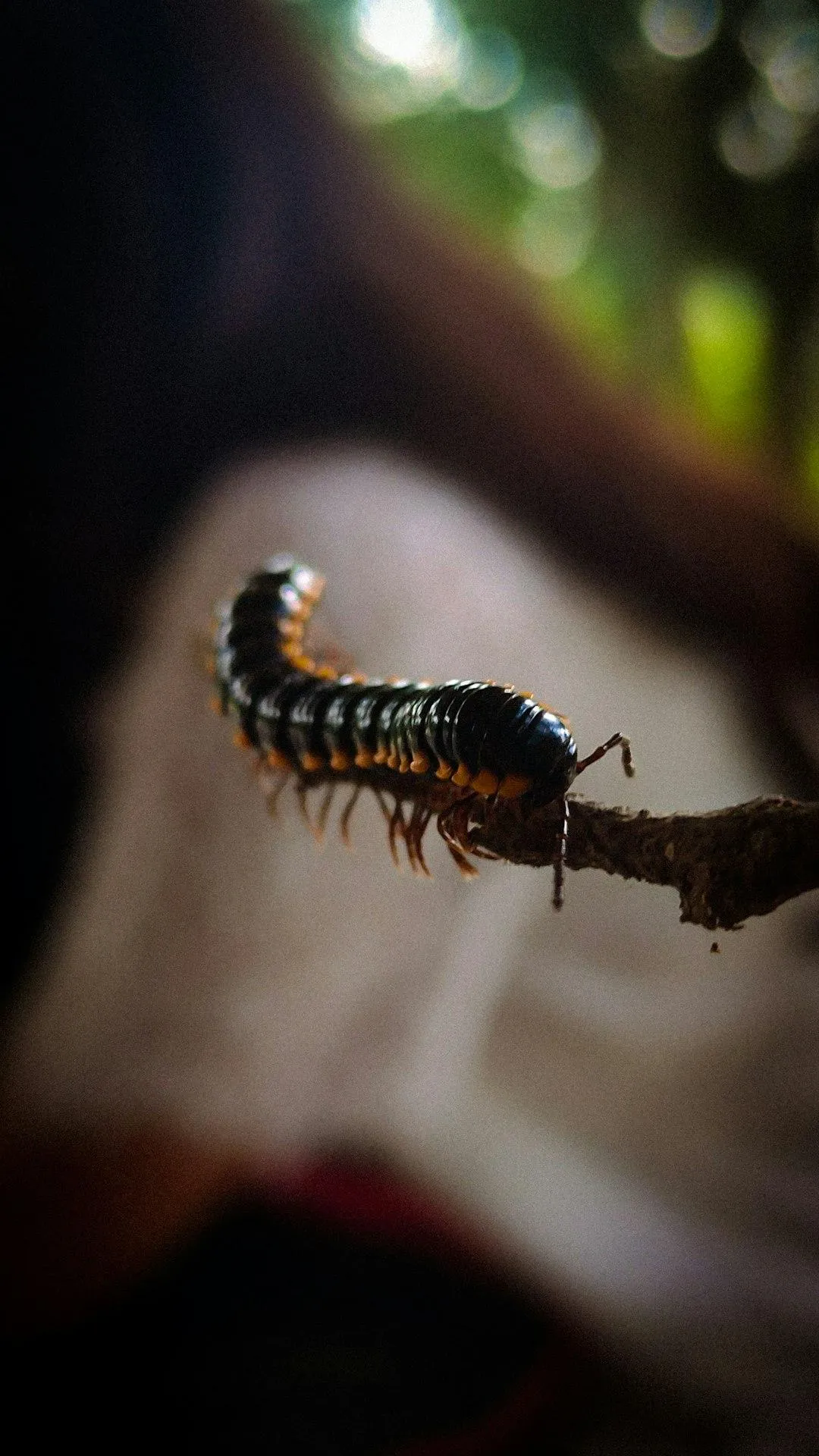
Painful Bites:
Centipedes may bite and cause pain, swelling, and redness
Allergic Reactions:
Some individuals may experience mild allergic responses to centipede venom
Moisture Problems:
Infestations often signal high humidity or damp conditions indoors
Odor & Staining:
Millipedes release foul-smelling secretions that can stain floors, walls, and fabrics
Skin Irritation:
Millipede secretions may cause mild rashes or irritation on contact

Our Comprehensive Centipede & Millipede Control Approach
We take a multi-faceted approach to Centipede & Millipede control:

Thorough Inspection
Our technicians will conduct a detailed inspection to:
Identify the specific beetle species present
Determine the extent of the infestation
Identify contributing factors that may be enabling the infestation

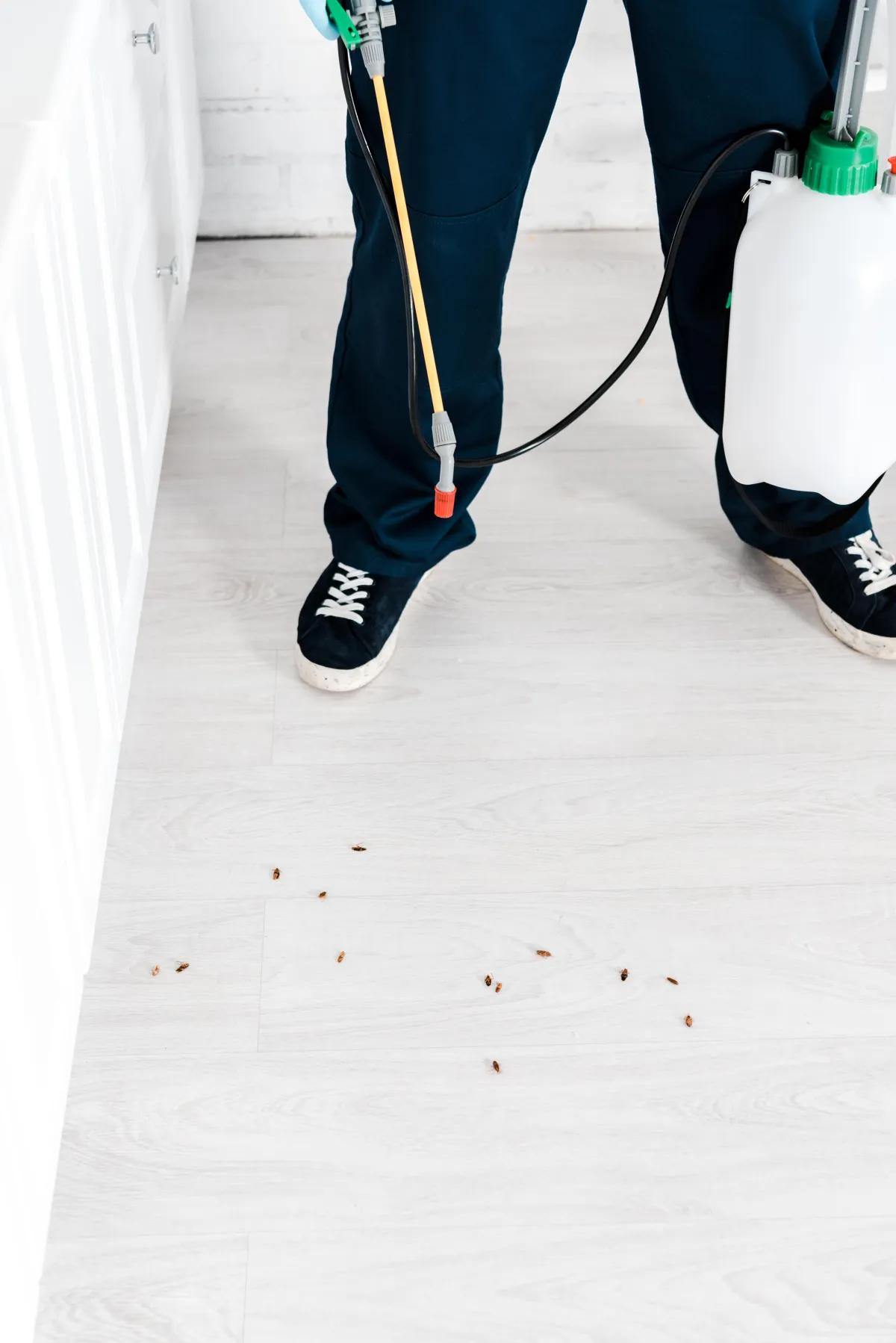
Customized Treatment Plan
Based on our findings, we'll develop a tailored control strategy that may include:
For Centipedes
Targeted applications in damp areas where centipedes hunt
Treatment of cracks, crevices, and entry points
Recommendations for reducing other insect populations that attract centipedes
For Millipedes
Perimeter treatments to prevent entry
Applications in mulch beds and foundation areas
Moisture control recommendations to make the environment less hospitable
For Both Pests
Interior crack and crevice treatments
Focused applications in basements, crawl spaces, and bathrooms
Guidance on reducing attractive conditions

Prevention Strategies
We'll help prevent future problems by: Identifying and sealing entry points
Recommending dehumidifiers and moisture control solutions
Suggesting proper landscape maintenance practices
Advising on regular inspection and maintenance routines
Follow-Up Protection
Our commitment to beetle control includes:
Our commitment to control includes: Scheduled follow-up visits to ensure complete elimination
Monitoring for new activity
Additional treatments as needed
Continuous protection against future infestations

Centipede & Millipede Prevention Tips
To help keep these many-legged pests away from your home:
Moisture Control
Use dehumidifiers in basements and crawl spaces
Fix leaky pipes and faucets promptly
Ensure proper drainage around foundation
Use exhaust fans in bathrooms and kitchens
Exclusion Methods
Seal cracks and gaps in foundation and exterior walls
Install door sweeps and weather stripping
Repair torn screens on windows and vents
Reduce gaps around utility entries
Yard Maintenance
Keep mulch away from foundation walls
Remove leaf litter, fallen branches, and yard debris
Trim vegetation away from the house
Avoid overwatering gardens near the home

The Risks of Centipede & Millipede Infestations
Centipedes and millipedes can cause several problems in your home:

Discomfort & Annoyance
Unsettling Presence: The sight of multiple-legged creatures can cause distress
Home Invasion: Finding them in bathrooms, kitchens, and living spaces
Nocturnal Activity: Both are most active at night, increasing encounters during evening hours
Health Concerns
Defensive Secretions: Millipedes can release irritating fluids that may cause skin reactions
Centipede Pinches: Large centipedes can deliver painful pinches with their front legs
Allergic Potential: Some individuals may experience allergic reactions to their presence
Our Centipede & Millipede Control Guarantee
We stand behind our services with our satisfaction guarantee. If centipedes or millipedes return between scheduled treatments, so will we—at no additional cost to you.
Frequently Asked Questions
Get answers to common questions about centipedes and millipedes
Do centipedes and millipedes bite?
Centipedes don't technically bite but can pinch with their venomous front legs, which may cause pain similar to a bee sting. In most cases, centipede pinches can cause blistering, pain, and swelling. In the event of an allergic reaction, more severe symptoms such as difficulty breathing, throat swelling, and hives can occur. Millipedes do not bite or pinch but can secrete a toxin that can cause allergic reactions in humans and vomiting or discomfort in pets.
Do centipedes and millipedes fly?
Neither centipedes nor millipedes can fly. They are ground-dwelling arthropods that move on multiple legs, and don't have wings. Centipedes are known for their quick movement, while millipedes have a slower, more methodical crawling motion.
How many legs do centipedes and millipedes have?
Despite their names suggesting "hundred legs" and "thousand legs," centipedes typically have 15-177 legs (one pair per body segment), while millipedes can have 30-400 legs (two pairs per body segment). No known millipede species actually has 1,000 legs; the record belongs to a species called Illacme plenipes with up to 750 legs.
What do centipedes and millipedes eat?
Centipedes are predatory and feed on insects like cockroaches, ants, spiders, and silverfish. They're actually beneficial in controlling other household pests. Millipedes primarily feed on decaying plant material and fungi, often found near firewood or cardboard and other decomposing organic matter.
Where do centipedes and millipedes live?
Both centipedes and millipedes prefer moist environments. They seek out damp, dark areas such as basements, bathrooms, and crawl spaces. Outdoors, they live under rocks, logs, leaf litter, and mulch. Centipedes typically seek shelter indoors when temperatures drop, while millipedes are attracted to high humidity and may enter homes during temperature changes or after heavy rains.
Ready for Centipede & Millipede-Free Living?
Don't let these many-legged pests disturb your peace of mind. Our professional control services provide effective, lasting solutions to eliminate centipedes and millipedes from your home. 100% Satisfaction Guarantee Licensed & Insured Technicians Same-Day Service Available
Or call us directly
(866) 555-7890
We guarantee your satisfaction—if centipedes or millipedes return between scheduled treatments, so will we at no additional cost.



© Copyright 2026. [Lead Machine: Pest Control Snapshot]. All Rights Reserved.