
Professional Termite Control Services
Professional Solutions for Termite Infestations
Termites are silent destroyers that can cause catastrophic damage to your home before you even know they're there. These relentless pests work 24/7, consuming wood and gradually weakening the structural integrity of your property. With termites causing an estimated $5 billion in property damage annually in the United States alone, professional termite control is essential for protecting your most valuable investment.


Understanding Termites
What Are Termites?

Termites are social insects that live in organized colonies with specialized roles. Unlike other pests that may simply be a nuisance, termites directly consume the wood in your home, potentially causing significant structural damage over time. These persistent pests operate continuously, often undetected for years while they systematically damage wooden structural elements within your property.
Termite Characteristics
Appearance: Small, pale-bodied insects with straight antennae and equal-width bodies
Size: Range from 1/4 to 1/2 inch long depending on species and caste
Body Structure: Highly organized societies with workers, soldiers, and reproductive castes
Lifespan: Workers live 1-2 years; queens can live over 30 years
Diet: Cellulose found in wood, paper, and other plant materials

Common Household Termite Species
Several factors can make your home attractive to termites:


Subterranean Termites
Size: Workers about 1/4 inch long
Color: Cream-colored bodies with darker heads
Behavior: Live underground in soil, building mud tubes to access wood sources
Concern: Most destructive termite species in the U.S., causing extensive damage


Drywood Termites
Size: Slightly larger than subterranean termites
Color: Pale brown to light tan
Behavior: Live directly in the wood they infest with no ground contact needed
Concern: Slower damage progression but can be harder to detect


Formosan Termites
Size: About 1/2 inch long
Color: Pale yellow to brownish-yellow
Behavior: Form larger colonies than other species with more aggressive foraging
Concern: Can cause severe structural damage in a shorter timeframe than other species

Signs of a Termite Infestation
You may have a termite problem if you notice:

Mud Tubes:
Pencil-sized tunnels along foundation walls or connecting soil to wood
Damaged Wood:
Wood that sounds hollow when tapped or has maze-like patterns inside
Discarded Wings:
Piles of wings near windowsills or doorways after a swarm
Flying Termites:
Swarmers emerging from walls, windows, or foundations
Frass:
Small, wood-colored pellets of termite droppings
Hidden Indications
Tight-Fitting Doors/Windows:
Wood damage causing frames to warp
Bubbling or Uneven Paint:
Moisture from termite activity affecting wall surfaces
Clicking Sounds:
Soldier termites banging their heads against wood when disturbed
Floor Damage:
Sagging, buckling, or squeaking floors indicating structural compromise
The Risks of Termite Infestations
Termites can cause several problems in your home:
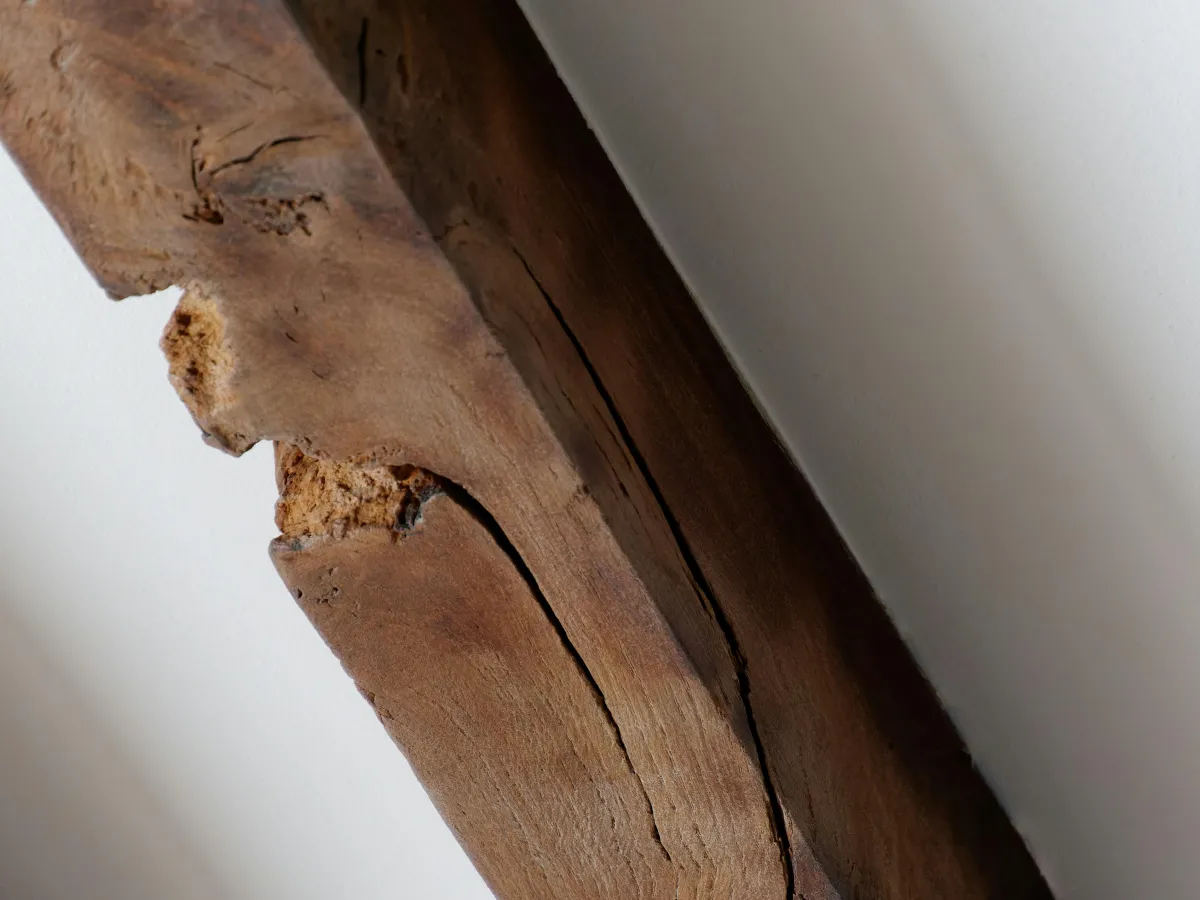
Structural Damage:
Compromised integrity of your home's wooden elements
Costly Repairs:
Average termite damage repair costs exceed $3,000 per home
Progressive Destruction:
Damage worsens over time if left untreated
Hidden Activity:
Most damage occurs out of sight within walls and foundations
Property Devaluation:
Termite damage can significantly decrease your home's value

Our Comprehensive Termite Control Approach
We take a multi-faceted approach to termite control:

Thorough Inspection
Our certified termite inspectors will conduct a detailed examination to:
Identify current termite activity and species present
Locate potential entry points and vulnerable areas
Assess the extent of any existing damage
Determine conducive conditions that may attract termites


Customized Treatment Plan
Based on our findings, we'll develop a tailored termite control strategy that may include:
Termidor® Liquid Treatment
Creates an undetectable barrier termites cannot avoid
Transfers among termites through contact and ingestion
Eliminates the entire colony, not just individual termites
Provides long-lasting protection around your home's perimeter
Sentricon® Colony Elimination System
Strategically placed bait stations around your property
Targets the colony at its source, including the queen
Requires no drilling, trenching, or chemical application around your home
Monitors continuously for new termite activity
Prevention Strategies
Addressing moisture issues that attract termites
Recommending structural modifications to reduce vulnerability
Eliminating wood-to-soil contact around your property
Suggesting landscape adjustments to create termite barriers

Ongoing Protection
Our commitment to termite control includes:
Regular monitoring for new termite activity
Annual inspections to ensure continued protection
Immediate response if new issues arise
Long-term termite warranty options for peace of mind
Moisture Control
To help protect your home from termites:
Repair leaky pipes, faucets, and air conditioning units promptly
Ensure proper drainage around foundation walls
Maintain gutters and downspouts to direct water away from your home
Use dehumidifiers in damp areas like basements and crawl spaces

Termite Prevention Tips
To help protect your home from termites:
Moisture Control
Repair leaky pipes, faucets, and air conditioning units promptly
Ensure proper drainage around foundation walls
Maintain gutters and downspouts to direct water away from your home
Use dehumidifiers in damp areas like basements and crawl spaces
Structural Maintenance
Eliminate wood-to-soil contact around your home's perimeter
Keep siding, door frames, and window frames at least 6 inches above soil
Remove dead tree stumps, roots, and wood debris near your home
Store firewood at least 20 feet away from your house and elevate it off the ground
Regular Inspections
Schedule annual professional termite inspections
Check dark, humid areas of your home periodically
Monitor exterior foundation walls for mud tubes
Be vigilant during swarming season (typically spring)

The Risks of Termite Infestations
Termites can cause several problems in your home:

Structural Damage
Foundation Weakening: Compromised structural integrity of your home
Progressive Destruction: Damage worsens over time if left untreated
Hidden Activity: Most damage occurs out of sight within walls and foundations
Financial Impact
Costly Repairs: Average termite damage repair costs exceed $3,000 per home
Insurance Issues: Most homeowner's insurance policies don't cover termite damage
Property Devaluation: Termite damage can significantly decrease your home's value
Our Termite Control Guarantee
We stand behind our services with our satisfaction guarantee. Our termite treatment programs include ongoing protection and warranties to ensure your home remains termite-free.
Frequently Asked Questions
Get answers to common questions about termites
How do I know if I have termites?
Signs of termite infestation include mud tubes along foundation walls or between soil and wood, damaged wood with a honeycomb interior, discarded wings from termite swarmers near windows and doors, wood that sounds hollow when tapped, tight-fitting doors and windows due to warped frames, bubbling or uneven paint on wood surfaces, and small piles of wood-colored pellets (termite droppings). If you notice any of these signs, it's crucial to have a professional inspection immediately, as visible signs often indicate an established infestation.
Do termites go away on their own?
No, termites will not go away on their own. Once a colony has established itself in or near your home, it will continue to grow and consume wood until professionally treated. Termite colonies can contain millions of individuals, with queens capable of producing thousands of eggs daily. Without intervention, the colony will persist indefinitely, continuing to cause damage to your property. Professional termite control is the only reliable way to eliminate an infestation and prevent further structural damage.
How are termites treated?
Professional termite treatment typically involves liquid barrier treatments (application of termiticides around the foundation to create a protective zone that either kills or repels termites), bait systems (strategic placement of bait stations around the property that termites carry back to the colony), wood treatments (direct application of termiticides to affected wood components), or fumigation (for severe drywood termite infestations). The best treatment method depends on termite species, infestation severity, property construction, and environmental factors. A professional inspection is necessary to determine the most effective approach for your specific situation.
Can you get rid of termites completely?
Yes, professional termite control can completely eliminate existing termite colonies from your property. However, because new termites may eventually attempt to establish colonies on your property, ongoing protection is essential. The most effective approach combines professional elimination of existing colonies, preventative treatments to create barriers against future invasions, regular monitoring to detect new activity early, annual professional inspections, and addressing conditions that attract termites (moisture, wood-to-soil contact). With this comprehensive approach, you can maintain a termite-free home long-term, though vigilance and professional support remain important.
How much does termite treatment cost?
The cost of professional termite treatment varies based on several factors: the size of your home, type of termite species present, severity of the infestation, treatment method required, your geographic location, and need for structural repairs. For a typical home, liquid barrier treatments generally range from $4-$16 per linear foot, while bait systems may cost $1,500-$3,000 for initial installation plus annual monitoring fees. Fumigation for severe drywood termite infestations typically costs $1-$4 per square foot. Many companies, including ours, offer flexible payment plans and financing options to make termite protection more affordable.
Ready for Termite-Free Living?
Don't let termites destroy your biggest investment. Our professional termite control services provide effective, lasting solutions to eliminate these destructive pests and protect your home for years to come
Or call us directly
(866) 555-7890
We guarantee your satisfaction and provide ongoing protection to keep your home termite-free.


© Copyright 2026. [Lead Machine: Pest Control Snapshot]. All Rights Reserved.